-
Wood as Fuel: This type of heater uses wood or wood-based products, such as chips, pellets, or sawdust, as fuel. Biomass fuel is considered a renewable energy source and is more environmentally friendly than fossil fuels.
-
Thermic Fluid: A specially designed thermal fluid, often a heat-transfer oil or water-based fluid, is used to absorb heat from the combustion process. This fluid circulates through the system, transferring heat to the desired process or application.
-
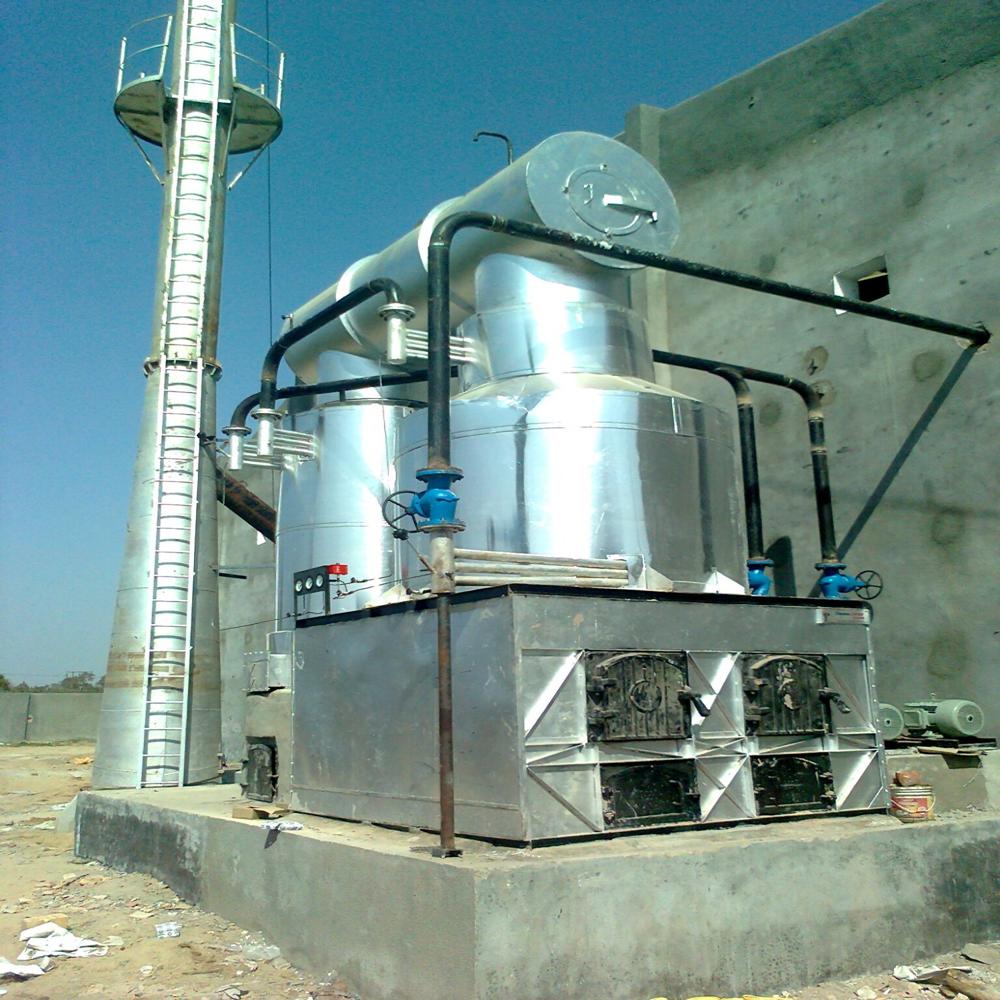
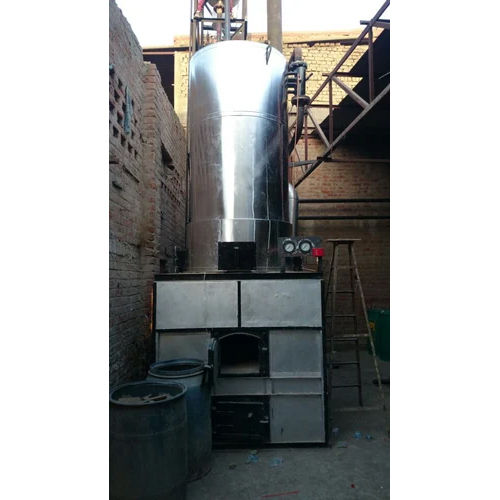
Combustion Chamber: The wood is burned in a combustion chamber, where it releases heat. The combustion process is optimized to ensure efficient burning, minimizing fuel consumption and reducing emissions.
-
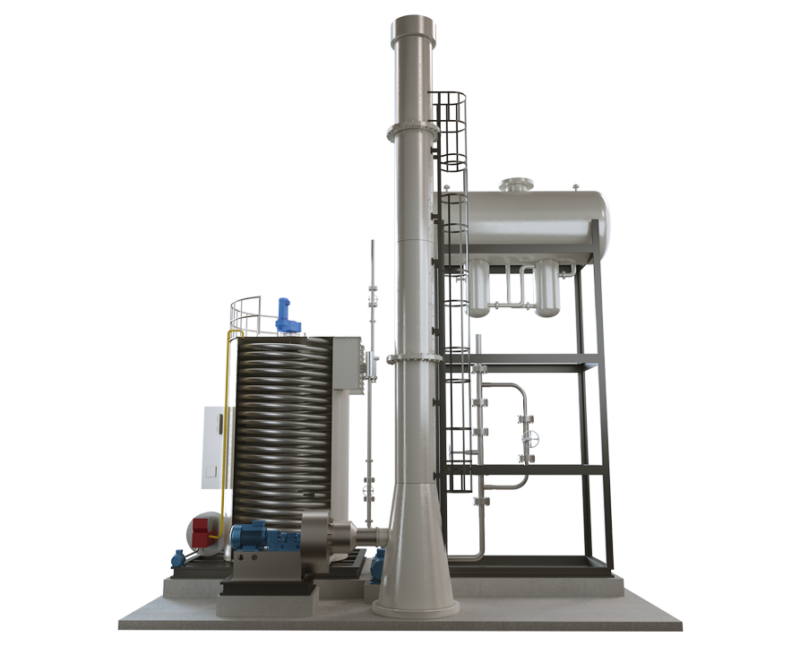
Heat Exchanger: The heat generated from burning wood is transferred to the thermal fluid via a heat exchanger. The fluid absorbs the heat and circulates through a system of pipes or tubes to deliver heat to various industrial processes.
-
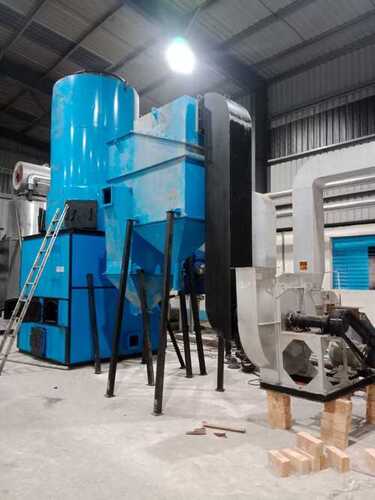
Air Supply & Flue Gas System: Proper air supply ensures complete combustion of the wood. The flue gas system carries away the combustion gases, which can be treated with air pollution control devices (like dust collectors or scrubbers) to minimize emissions.
-
Automatic Controls: Modern wood-fired thermic fluid heaters are equipped with advanced control systems to regulate fuel input, airflow, temperature, and fluid circulation, ensuring optimal performance and energy efficiency.
-
Safety Features: These heaters are typically equipped with safety mechanisms, such as pressure relief valves, flame detectors, temperature and pressure sensors, and low-water cutoffs, to ensure safe and reliable operation.
-
Fuel Combustion: Wood is fed into the combustion chamber, where it is ignited. The combustion process generates heat, which is absorbed by the combustion gases.
-
Heat Transfer to Thermal Fluid: The heat from the combustion gases is transferred to the thermal fluid circulating through the heat exchanger. This thermal fluid then carries the heat to various heat exchangers or process areas where heating is required.
-
Circulation of Fluid: The thermal fluid, which is heated to high temperatures, circulates through a closed loop, delivering heat to the required processes, such as drying, heating, or chemical reactions.
-
Exhaust Gas Handling: The flue gases generated during combustion are directed through a flue gas system and are usually released into the atmosphere after passing through pollution control devices to minimize environmental impact.
-
Return of Cooled Fluid: After transferring its heat, the cooled thermal fluid returns to the heater, where it is reheated by the combustion process, continuing the cycle.
Wood Fired Thermic Fluid Heaters are suitable for industries that require high temperatures for heating and processing, such as:
-
Renewable Fuel Source: Wood is a renewable biomass resource, making this type of heater more environmentally friendly compared to fossil fuel-based heaters.
-
Reduced Carbon Footprint: The combustion of wood releases carbon dioxide (CO), but since wood is part of the natural carbon cycle, it is considered a carbon-neutral source of energy.
-
Cost-Effective: Wood fuel is often more cost-effective than oil, gas, or electricity, especially in areas where wood is abundant and inexpensive.
-
High Efficiency: Wood Fired Thermic Fluid Heaters are designed to efficiently transfer heat to the thermal fluid, maximizing energy use and reducing fuel consumption.
-
Lower Emissions: Modern designs include systems for better combustion, which reduce the emissions of particulate matter, carbon monoxide (CO), and other pollutants.
-
Versatility: These heaters can be designed to handle a wide range of wood-based fuels, including wood chips, sawdust, and wood pellets, giving flexibility in fuel selection.


 Send Inquiry



 Send Inquiry



