-
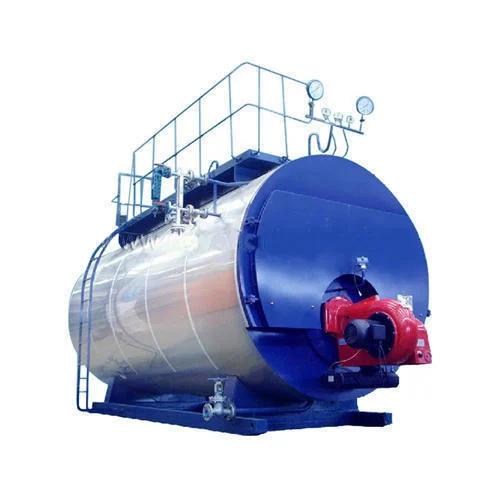
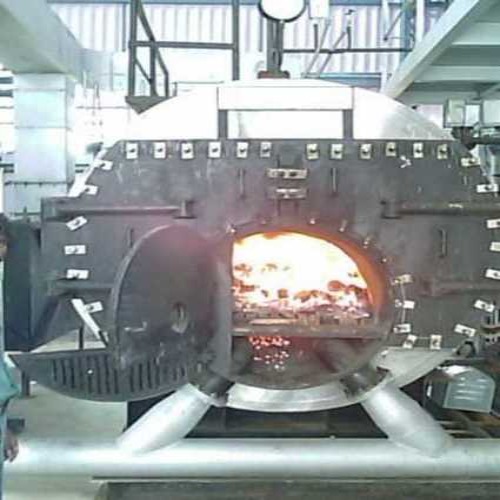
Furnace/Combustion Chamber: The furnace is where fuel is burned to produce heat. Combustion gases generated here transfer heat to the water within the boiler.
-
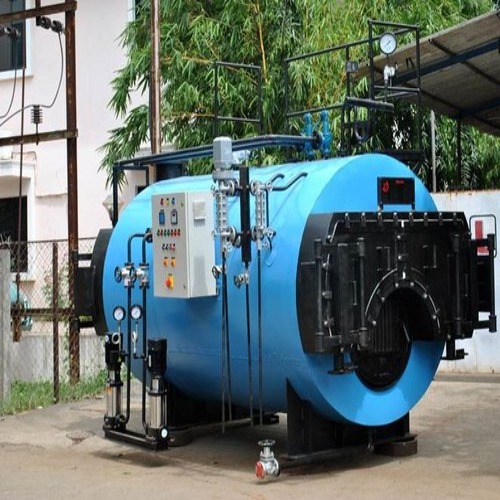
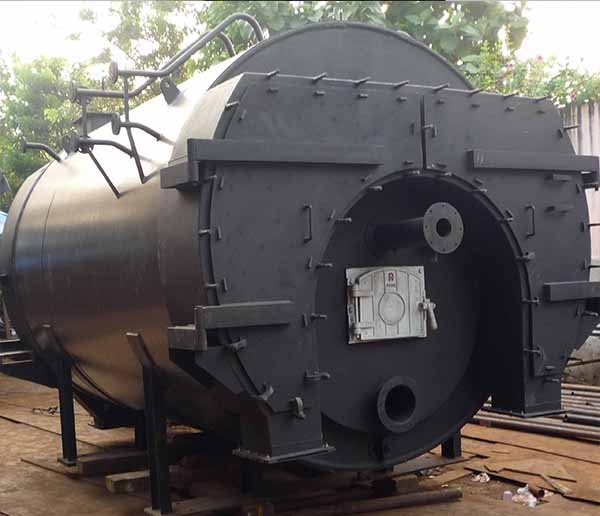
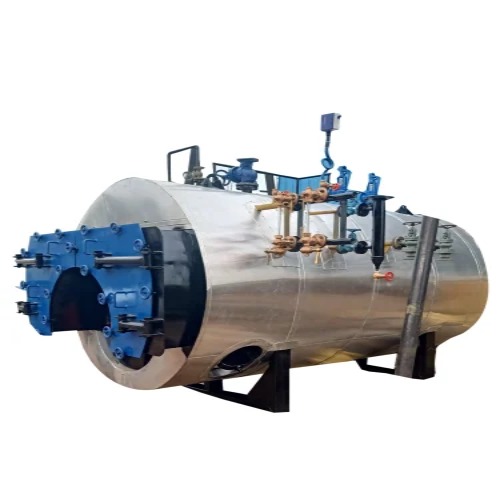
Boiler Shell: The outer casing that contains the internal components, including the furnace and the water chamber. It is typically made of high-quality steel to withstand high pressure.
-
Water Tubes: These tubes carry water through the system and absorb heat from the combustion gases. The water inside the tubes heats up and eventually turns into steam.
-
Steam Drum: Located at the top of the boiler, the steam drum is where steam separates from the water. It ensures that only dry steam is sent to the process.
-
Superheater: A component that further heats the steam after it leaves the water-tube section, increasing the temperature of the steam beyond its boiling point to improve efficiency.
-
Economizer: This component helps to pre-heat the feedwater by using the heat from the exhaust gases, improving the boiles overall efficiency.
-
Burner: The burner introduces fuel (oil, gas, or biomass) into the combustion chamber, where it is mixed with air and ignited to produce heat.
-
Control Panel and Safety Valves: The control panel monitors temperature, pressure, and water levels to ensure the boiler operates safely and efficiently. Safety valves are designed to prevent overpressure situations.
-
Blowdown Valve: This valve is used to remove impurities that accumulate in the boiler water over time, which could otherwise affect performance.
-
Fuel Combustion: The burner ignites fuel (gas, oil, coal, or biomass) in the furnace. The combustion process generates heat.
-
Heat Transfer: The hot combustion gases pass through a series of tubes in the heat exchanger (either fire-tube or water-tube) where they transfer heat to the water. The water absorbs the heat, eventually reaching its boiling point and converting into steam.
-
Steam Generation: The steam rises to the steam drum, where it is separated from any remaining water.
-
Steam Distribution: The dry steam is then directed to various systems or processes (e.g., turbines, heating systems, or industrial machinery) for use.
-
Exhaust: The remaining exhaust gases are vented through a stack or chimney, and heat recovery systems like economizers can pre-heat incoming feedwater for better efficiency.
-
Power Generation: In power plants, industrial steam boilers generate steam to drive turbines and produce electricity.
-
Chemical and Pharmaceutical Industries: Steam is used in reactors, sterilization, and other thermal processes.
-
Textile and Paper Mills: Steam is used for heating, drying, and processing materials.
-
Food Processing: Boilers are used for sterilization, cooking, drying, and pasteurization in the food industry.
-
Petrochemical Industry: Used for refining, cracking, and other high-temperature processes.
-
HVAC Systems: Boilers supply steam for district heating and industrial HVAC systems.
-
Steam Sterilization: In industries like healthcare, steam boilers are used to sterilize medical equipment and other products.


 Send Inquiry



 Send Inquiry



