-
Fuel Tank: This is the storage unit for the oil, where the fuel is stored before being pumped into the boiler for combustion.
-
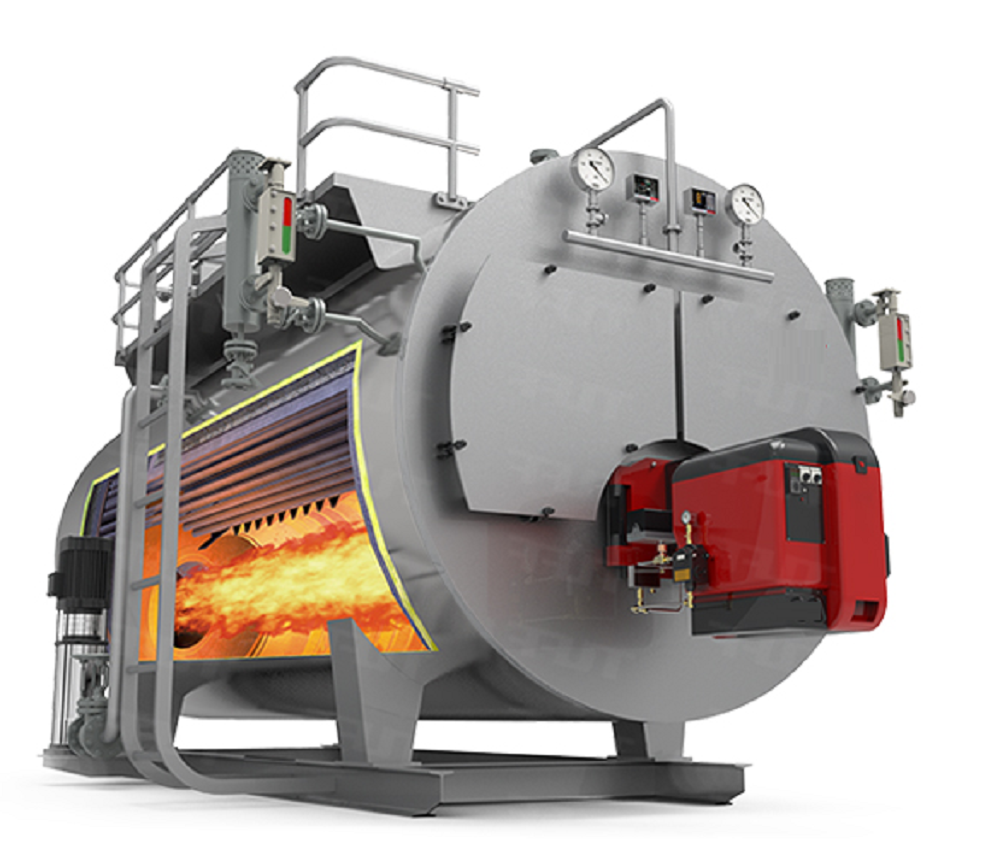
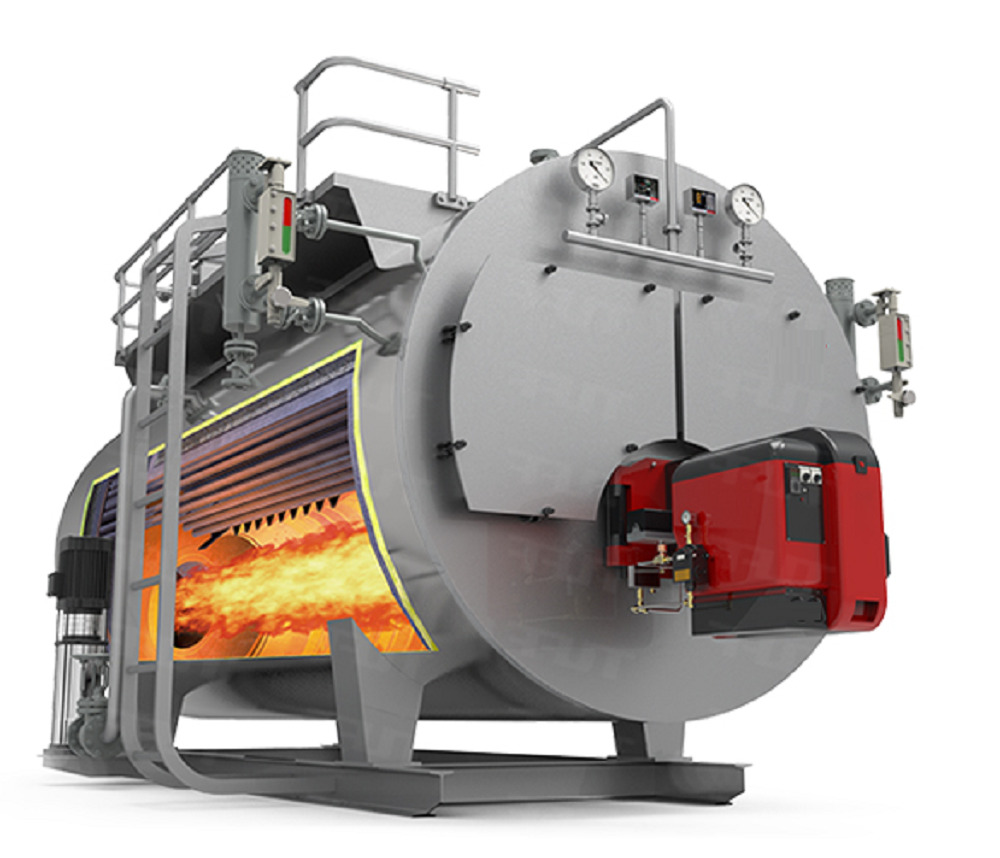
Burner: The burner is the component that mixes oil with air and ignites it to produce heat. Oil burners can be either pressure jet burners (which spray oil into the combustion chamber) or atomizing burners (which break the oil into tiny droplets for efficient combustion).
-
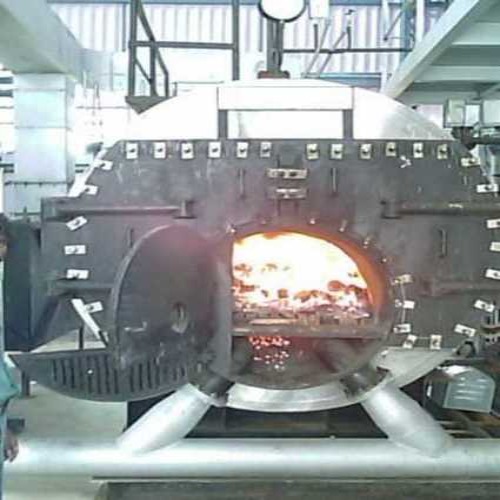
Combustion Chamber: The combustion chamber is where the oil is burned to release energy in the form of heat. It is designed to withstand high temperatures and facilitate efficient burning.
-
Heat Exchanger: The heat exchanger transfers the heat produced by the burning oil to water or steam circulating in the boiler. This allows the water to be heated, producing hot water or steam for heating or other applications.
-
Flue Gas System: After combustion, the exhaust gases pass through a flue gas system, which is usually equipped with a chimney or stack to safely release the gases into the atmosphere.
-
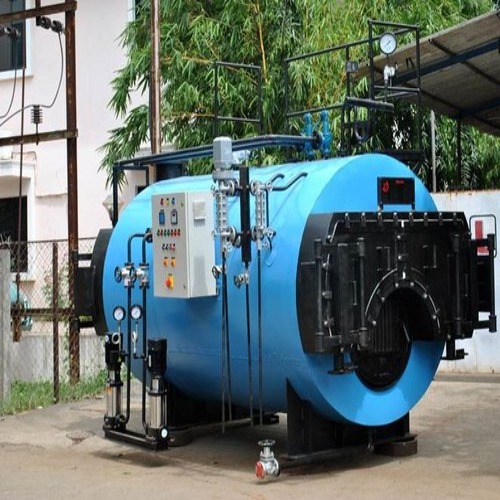
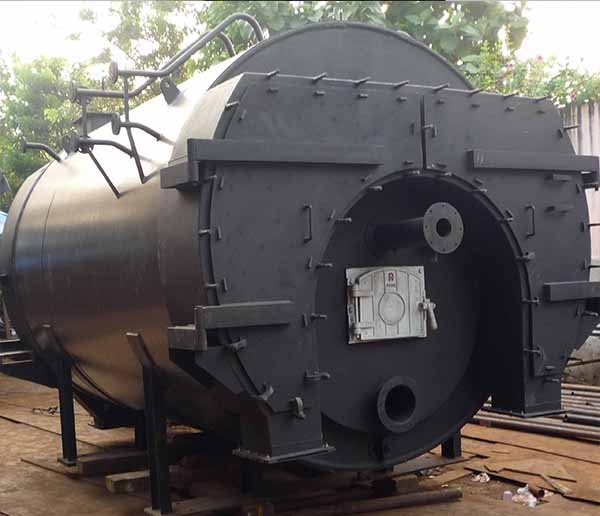
Boiler Shell: The shell of the boiler houses the internal components, including the combustion chamber, heat exchanger, and water or steam chamber. It is built to handle high pressure and temperature.
-
Control Panel: The control panel allows the operator to monitor and control the operation of the boiler. It regulates the temperature, pressure, and water level within the system and ensures safe and efficient operation.
-
Safety Devices: Oil-fired boilers come with a variety of safety devices, including pressure relief valves, temperature sensors, and low-water cutoffs, to ensure safe operation and prevent damage to the system.
-
Fuel Combustion: The oil is pumped from the fuel tank to the burner, where it is atomized (broken into small droplets) and mixed with air. This mixture is ignited to create heat in the combustion chamber.
-
Heat Transfer: The heat generated in the combustion chamber is transferred to the water or steam inside the heat exchanger. The heat exchanger ensures that the heat is efficiently transferred to the water, raising its temperature.
-
Steam Generation (if applicable): In steam boilers, the heated water turns into steam, which rises and is separated from the water in the steam drum. The dry steam is then directed to the system for use.
-
Exhaust Gases: The combustion gases are vented through a flue gas system, usually via a chimney, and are expelled into the atmosphere.
-
Hot Water Circulation: In hot water boilers, the heated water circulates through the system to provide heating or to power industrial processes.
-
Industrial Heating: Oil-fired boilers are widely used in industries such as food processing, paper production, textiles, and chemicals for providing heat to industrial processes, heating systems, or drying processes.
-
Hot Water Supply: Oil-fired boilers can be used in both residential and commercial applications to provide hot water for heating, showers, and other uses.
-
Power Generation: In power plants, oil-fired boilers can generate steam to drive turbines for electricity generation.
-
District Heating: In areas without access to natural gas, oil-fired boilers are used in district heating systems to provide heat to multiple buildings or homes.
-
Agriculture: In agricultural operations, oil-fired boilers are used for heating greenhouses, drying crops, or providing hot water for farm operations.


 Send Inquiry



 Send Inquiry



